How to See a Doctor in China

How to See a Doctor in China
Sooner or later, it happens to every teacher in China. You wake up with a fever, or a sore throat that won't quit, or a stomach that has decided to file a formal complaint. And your first thought isn't about the illness — it's about the hospital. How do I register? Who do I talk to? Will anyone speak English? Will it cost a fortune?
Take a breath. Seeing a doctor in China is not hard. It's just different from what you're used to, and once you know the routine, a hospital visit takes about an hour and costs less than dinner back home. I've done it more times than I'd like to admit. Here's the whole process.
The short answer: Go to a big public hospital (look for 三甲, sān jiǎ, the top tier) or an international clinic. Bring your passport and your insurance card. Register at the desk or on WeChat, pay a registration fee of about ¥15 to ¥50 (around $2 to $7), see the doctor, get your tests and medicine, and pay at the pharmacy counter. Most routine visits take about an hour and land between ¥150 and ¥400 (about $21 to $56) all in.
How It Works Here
Why you need it: You will get sick in China. Everyone does — new food, new germs, new climate, and a first year of teaching that runs your immune system into the ground. Knowing how the hospital works before you're sick is the difference between a calm hour and a miserable day.
What's great about it: Chinese hospitals are fast and cheap. There's no waiting three weeks for an appointment. You walk in, register, and see a doctor the same morning. Tests that take days back home come back in hours. And the bill at the end is often so small you'll check it twice.
The trade-off is that it's crowded, it's noisy, and almost nobody speaks English. The system assumes you know the routine. This guide is the routine.
What to Bring
Your passport. The hospital registers you under your passport name and number. Bring the original.
Your insurance card. If your school gave you health insurance, bring the card or the app. Some hospitals bill the insurer directly; others make you pay and claim it back.
Your phone, charged. You'll need it for registration, payment, and translation. Make sure your SIM card is set up and your WeChat is working — both are part of the hospital routine now.
A list of your medicines and allergies. Write them down in English and, if you can, in Chinese. Your phone's translation app can do this in thirty seconds, and it matters more than anything else on this list.
Cash or a linked payment app. Hospitals take WeChat Pay and Alipay everywhere, and cards at most counters. Cash still works fine too.
A Chinese-speaking friend (first visit only). You can do this alone — I have, many times — but the first visit is much easier with someone who can translate. After one visit, you'll know the routine and won't need the help again.
Teacher tip: Go in the morning. Hospitals open early, the registration desks are quietest before 9 a.m., and lab results often come back the same afternoon if your tests are done before noon. An afternoon visit means coming back tomorrow for results.
Where to Go
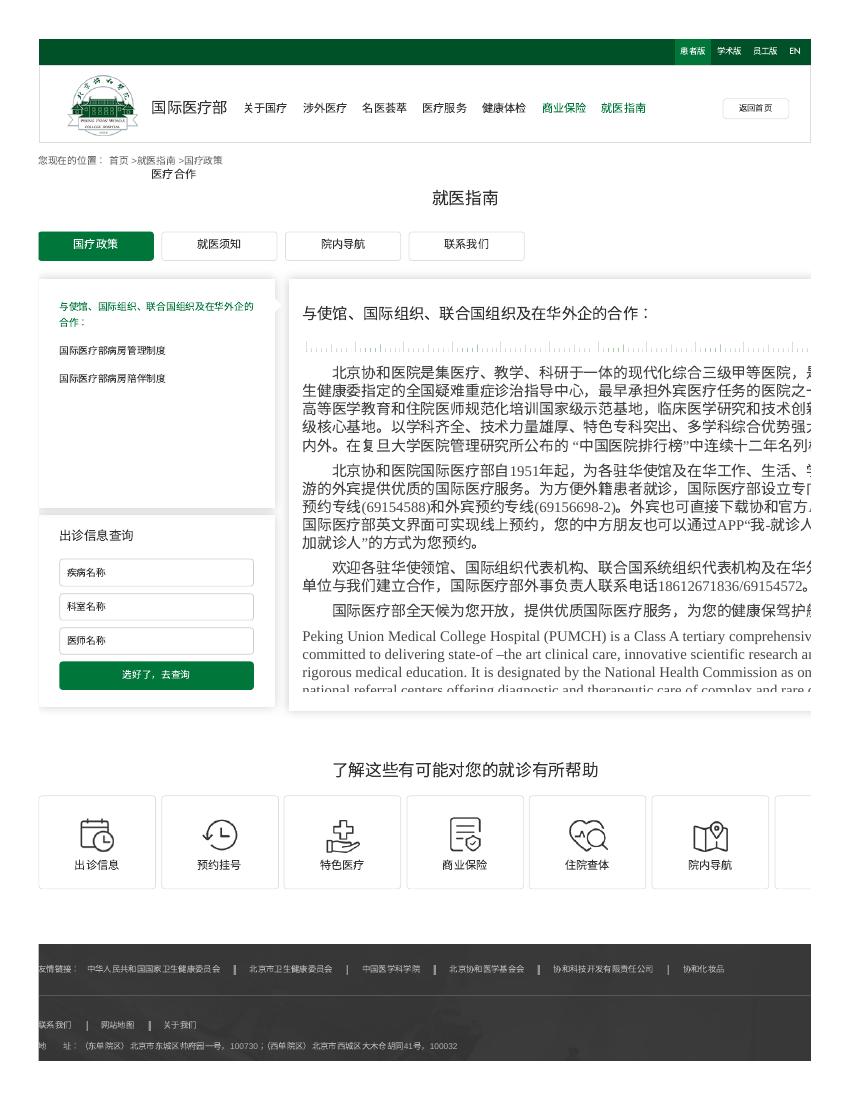
Not all hospitals are the same. Here's how to choose:
Big public hospitals (三甲医院, sān jiǎ yīyuàn). The top tier, and your default choice. They're huge, well equipped, and cheap. The catch: they're crowded and almost no one speaks English. Go here for anything serious, and for anything where you want proper tests.
International clinics. Found in big cities like Shanghai, Beijing, and Guangzhou. English-speaking doctors, appointments, quiet waiting rooms — and prices five to ten times higher. Good for your first visit if you're nervous, or if your insurance covers it.
Community clinics (社区医院, shèqū yīyuàn). Small neighbourhood clinics for colds, small injuries, and prescriptions. Fast, close to home, and the cheapest option. Fine for minor things, not for anything complicated.
My rule: community clinic for a cold, big hospital for anything I can't name, international clinic exactly once — the first time, when I wanted someone to explain the system to me in English.
At the Hospital, Step by Step
Here's the routine at a big public hospital. It looks long, but it's the same five steps every time.
Register (挂号, guà hào). Go to the registration desk or use the self-service machine — or register on the hospital's WeChat account, which is what most locals do now. Pick a department (internal medicine 内科 for a fever or stomach problem, for example) and pay the registration fee, about ¥15 to ¥50 (around $2 to $7). Public hospitals cap registration at ¥15–50.
Wait for your number. The screen shows which room to go to. Waiting areas are crowded and loud. Bring headphones.
See the doctor. The consultation is fast — often five minutes. Describe your symptoms simply, show your medicine list, and answer the questions. The doctor will order tests if needed, or write a prescription.
Pay for tests and medicine. Take the doctor's slip to the payment counter (or pay in the app) for any blood tests, X-rays, or scans. Then collect your medicine at the pharmacy window with the same slip.
Get your results. Blood tests usually come back in one to two hours. You can check them on the hospital's WeChat account, or collect a printout at the results window. If the doctor wants a follow-up, they'll tell you before you leave.
Teacher tip: The doctor's five minutes are precious, so don't waste them on small talk. Write your symptoms down before you go in: when it started, what hurts, what you've already tried. Hand the phone to the doctor if you wrote it in Chinese. Doctors here see a hundred patients a day — clear and quick gets you the best care.
What It Costs: My Last Visit
Here's my last real visit, a fever and sore throat in November, at a big public hospital in Nanjing. Prices at about ¥7.20 to the dollar. Registration at public hospitals is capped at ¥15–50, and a standard blood test runs ¥100–300 — my visit landed inside both ranges.
Registration fee: ¥25 (about $3.50)
Doctor consultation: included in the registration fee
Blood test: ¥120 (about $16.70)
Medicine for five days: ¥85 (about $11.80)
Taxi there and back: ¥36 (about $5.00)
Total: about ¥266, or roughly $37. Back home, the same visit would have cost ten times that — if I could even get an appointment that week. China wins again, and it's not close. If you have school insurance, most of the medical part comes back to you on a claim.
Pro Tips
Keep a "sick day" kit at home. Thermometer, fever medicine, throat lozenges, and your hospital's address saved in your phone. The worst time to look these up is when you're already sick.
Save the hospital in DiDi. The morning you feel terrible is not the morning to type an address in Chinese. Save your nearest big hospital as a favourite in DiDi now, while you're healthy.
Photograph every prescription and result. Keep a folder on your phone. The next doctor you see will want to know what the last one prescribed, and a photo beats your memory.
Ask for the medicine instructions in writing. The doctor will explain verbally and quickly. The printed instructions from the pharmacy are clearer, and you can translate them at home.
Don't skip the follow-up. If the doctor says come back in three days, come back. It usually means they want to check the test results with you, and skipping it wastes the whole visit.
Troubleshooting
Nobody speaks English and I'm stuck. Use your phone's translation app and show the screen. For symptoms, type them in English, translate to Chinese, and show the doctor. It works better than you'd think. If you're really stuck, call a Chinese-speaking friend and put them on speaker.
The department I need isn't obvious. Ask at the information desk — say your symptom, and they'll point you to the right department. Fever and stomach problems go to internal medicine (内科, nèi kē). An injury goes to surgery (外科, wài kē). A skin problem goes to dermatology (皮肤科, pífū kē).
My insurance won't pay. Most school insurance works on a pay-first, claim-later basis. Keep every receipt and every report, photograph them all, and file the claim the same week. Ask your school's HR person which form they need — they've done this before.
I need medicine but the pharmacy is closed. Hospital pharmacies close with the hospital, but 24-hour pharmacies exist in every city. Search "24小时药房" (24-hour pharmacy) in your maps app, or ask the hospital guard — they always know the nearest one.
I'm worried it's serious. Go to the emergency department (急诊, jízhěn) at a big hospital. It's open 24 hours, they triage fast, and you will be seen. Don't wait until morning for chest pain, trouble breathing, or a serious injury. Call 120 for an ambulance if you can't get there yourself.
You've Got This
Getting sick far from home is scary, and the first hospital visit in a foreign language is nobody's idea of fun. But it's a skill like any other here: confusing the first time, routine the second, boring by the third. Register, see the doctor, pay, collect your medicine, go home and rest. The whole thing costs less than a dinner out and takes less time than a school meeting.
So save the hospital in your phone today, while you're healthy. Then forget about it until you need it. And when you do need it, you'll know exactly what to do. You've got this.
FAQ
Can foreigners see a doctor at a Chinese public hospital?
Yes. Bring your passport and register like anyone else. Big public hospitals treat foreign patients every day, and the process is the same — register, pay the fee, see the doctor.
Do I need an appointment?
No, not at public hospitals. You register on arrival and see a doctor the same day. International clinics usually want an appointment, and you can book one in English.
Will the doctor speak English?
Probably not at a public hospital. Bring a translation app and a written list of your symptoms in Chinese. At international clinics, the doctors speak English.
How much does a hospital visit cost?
A routine visit usually lands between ¥150 and ¥400 (about $21–$56) all in, including registration, tests, and medicine. Serious treatment costs more, which is what your school insurance is for.
What should I do if I need help in an emergency?
Go to the emergency department (急诊) at the nearest big hospital, or call 120 for an ambulance. Emergency departments are open 24 hours and triage fast.
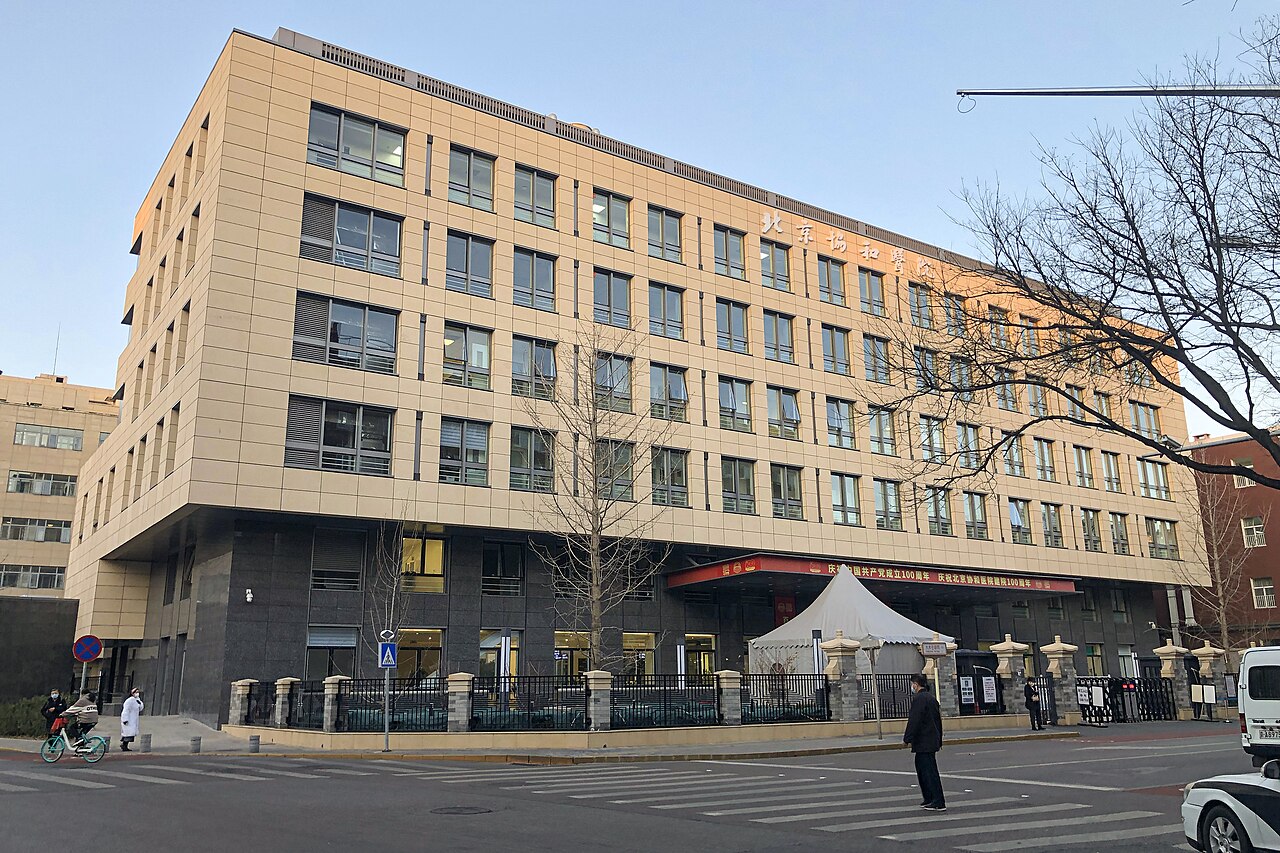
Hero photo: Peking Union Medical College Hospital, Xidan, Beijing. Photo by N509FZ, via Wikimedia Commons, CC BY-SA 4.0.