Welcome to China: Nothing Like I Remembered

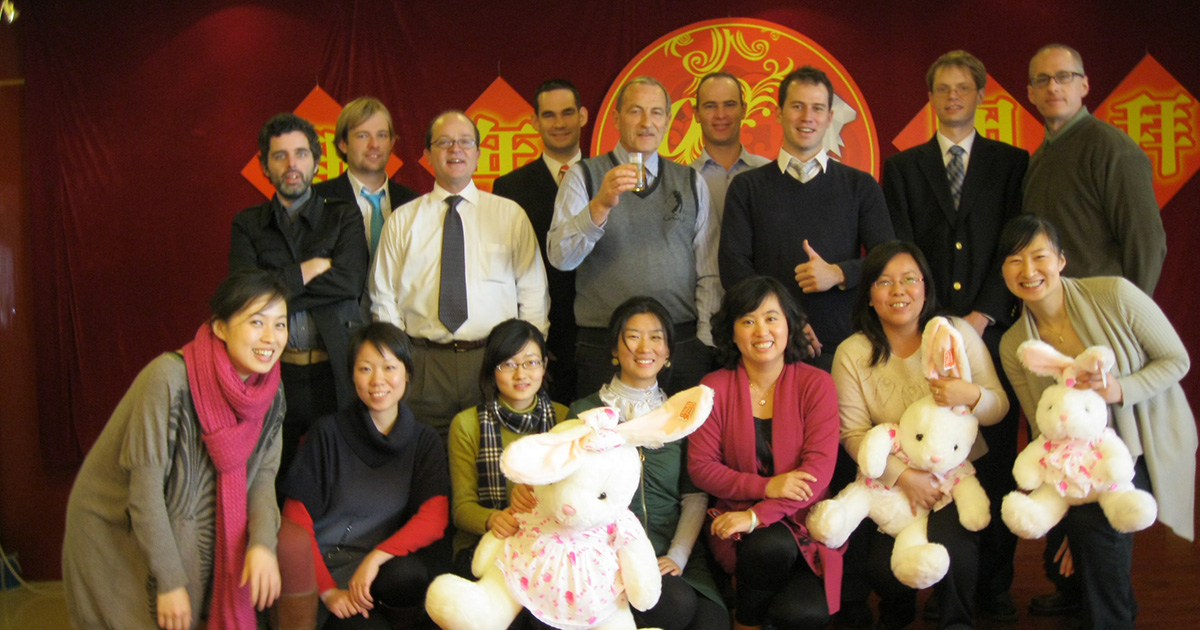
My name is Peter Wilcox, and in August 2024, I stepped off a plane in Nanjing and barely recognized the country I used to call home.
I first came to China in 2006. Back then, I was a 27-year-old former computer technician from Australia who'd spent years traveling around doing all kinds of work across Queensland and the Northern Territory. I had no teaching experience, no real plan, and certainly no idea that China would become such a huge part of my life.
But I've always loved adventure. I've always had this itch to explore the world, to just go and see what's out there. A few years before China, I bought an old black 1984 Mazda RX7 in Long Beach, LA — picked it up cheap off a lot because it was sitting there waiting for someone crazy enough to buy it. I drove that car all over the United States for six weeks through 25 states including up to Toronto and down to Tijuana before finally selling it back to the same guy I bought it from in Long Beach.

In effect I basically rented it for about $300. Then I flew to New York City for four days before spending another six weeks touring around Europe. If you're from North America or Europe reading this, I get it — I understand where you're coming from. I've done the backpacking thing, the shoestring budget travel, the 'let's just see where this takes me' mentality. That's probably why China appealed to me in the first place.
I got my TESOL certificate, landed a job teaching at an international school in Chongqing, and moved into a little villa on campus with a handful of other foreign teachers. That was August, 2006. I
I didn't know much about Chongqing. Hell, I didn't know more than two words in Chinese. But I figured it out as I went.
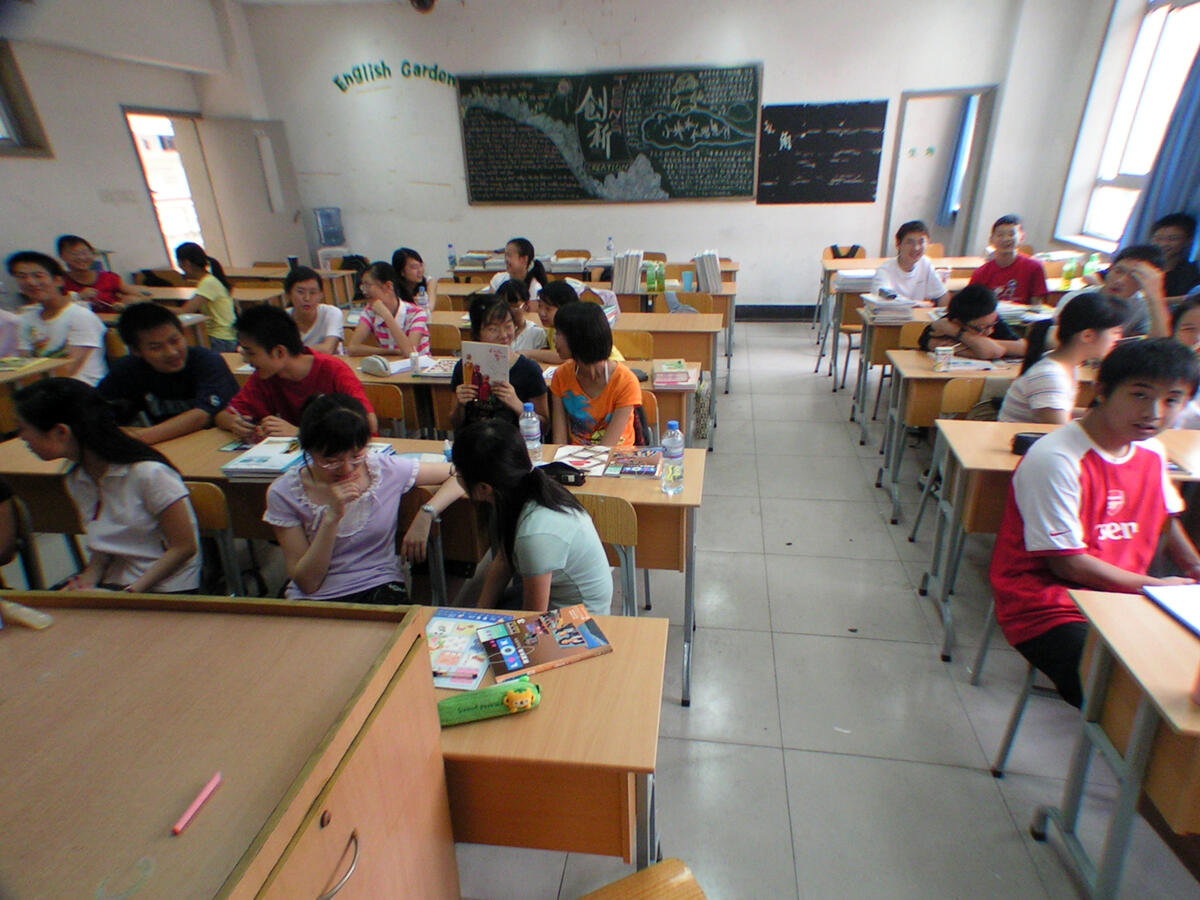
Back then, China was different. You paid for everything in cash. There were no translation apps on your phone because smartphones barely existed. If you wanted to order food, you pointed at menu pictures and hoped for the best. Getting around meant keeping a scrap of paper in my wallet with some names of places a colleague wrote in Chinese. I'd point to the place on my little note to show taxi drivers who would usually just smile, nod, offer me a cigarette and off we went. As for 'mobile payments' meant… Well, it didn't mean anything yet.
I taught in Chongqing for a year, then bounced around to other cities between coming home and living elsewhere — Beijing (2007-2008, 2010-2011), Guilin (2013), Dongguan (2015) — when I finally thought I was leaving China indefinitely.


After that, I spent nearly a decade building an e-commerce business (selling silicone rings on Amazon under the brand Swagmat), which took me all over the world. I lived in the Philippines, Vietnam, Georgia, Peru, Indonesia, and back to Australia. I was done with teaching. Or so I thought.
Then COVID hit and wiped out the business. Fortunately, somewhere along the way (while employed as a teacher at times), I'd managed to finish a degree with a major in Information Systems, so I wasn't completely starting from scratch. But it was clear I needed to pivot.
Then I came back.
In August 2024, I returned to China to teach at an international school in Nanjing — my first teaching job in nine years. And the moment I arrived, I realized just how much had changed.
Everything runs off your phone now. Not some things — everything. You can't pay with cash anymore because nobody accepts it. You can't get on the subway without scanning a code. You can't order food, book a taxi, or pay your electricity bill without the right apps set up on your phone. Even buying a movie ticket requires navigating WeChat mini-programs.
It was like I'd traveled to a completely different country. The China I left in 2015 was nothing like the China that greeted me in 2024. I spent my first few weeks fumbling through QR codes, getting locked out of apps, and feeling like a complete beginner all over again — despite having lived here for years… and still don't speak Chinese!
And that's when I realized: if I was struggling after having lived in China before, what must it be like for teachers arriving here for the very first time?
That's why this guide exists.
The Problem with Teaching Jobs in China
While I was figuring out how to survive in modern China, I started thinking about something else that hadn't changed much: the way teachers find jobs here.
When I first came to China in 2006, I found my job on Dave's ESL Cafe. You know the site — that ancient, barely-functioning forum that looks like it was built in 1998 (because it basically was). It's still around. Teachers are still using it. And it's still a mess.
Job boards for teaching in China haven't evolved. They're scattered across a dozen different platforms. There's no community, no way to vet employers, no protection against scam jobs. Teachers are handing their resumes to recruiters who might be selling their information. Schools post the same jobs on five different sites with conflicting details. And new teachers have no idea how to navigate the increasingly complex visa process or spot red flags in contracts.
I've watched friends get burned by shady recruiters. I've seen teachers arrive in China only to find out their 'international school' job was actually at a training center with zero support. I've heard horror stories about unpaid salaries, illegal work situations, and contracts that weren't worth the paper they were printed on.
It shouldn't be this hard to find a legitimate teaching job in China.
Here's where this story gets interesting.
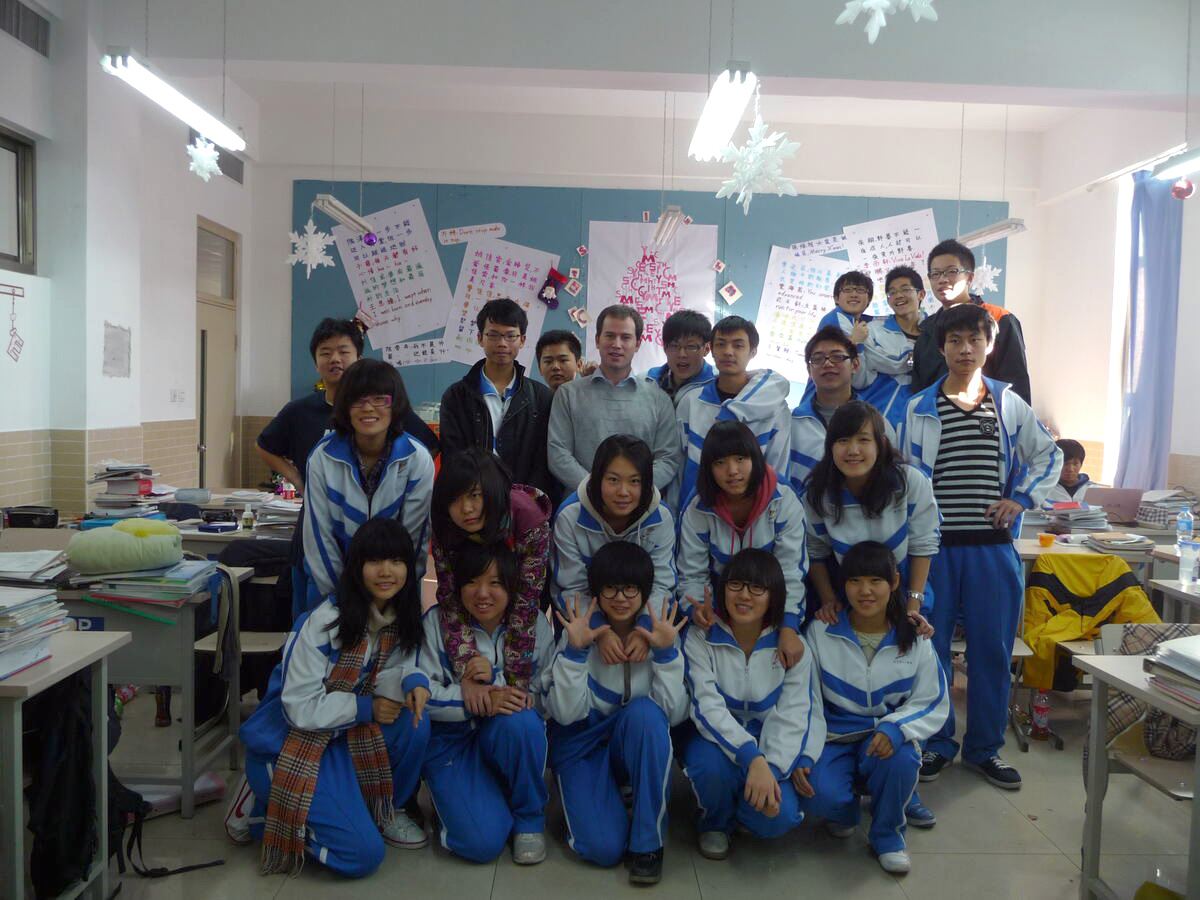
Back in 2010-2011, I was teaching Grade 10 students in Beijing. One of those students was a kid named Mojo. Smart kid. Really smart. We stayed in touch over the years — you know how it is with some students, you just click and keep in contact.

Mojo went on to get his Master's degree in Mathematics and spent about three years working as a programmer and developer between Beijing and Hong Kong. About a year ago, he moved to Toronto to live with his wife. We're now on opposite sides of the planet, working in completely different time zones.
And somehow, we decided to start a business together.
We started talking about the problems with teaching job boards in China. Mojo saw it from the tech side — these platforms are outdated, clunky, and built with zero thought for user experience. I saw it from the teacher side — they're full of scams, lack community, and offer no real support.
So we're building something better.
Introducing youteacher.org
youteacher.org is our answer to the broken system of finding teaching jobs in China.
Here's what we're creating:
A centralized job board that scrapes listings from all the major teaching platforms in China, so you don't have to waste time bouncing between ten different websites. Everything in one place.
A vetted system that focuses on protecting teachers from scam jobs and shady recruiters. Our goal is to make sure the schools and recruiters posting on our site are legitimate, so you're not gambling with your resume or your future.
A real community — not just a job board.
We've launched a Discord server where teachers can discuss jobs, share experiences, warn each other about red flags, ask questions about visas, get advice on contracts, and actually support each other throughout the process. Because teaching in China shouldn't feel like you're navigating it alone.
Right now, we're starting with the basics: aggregating jobs from existing platforms and building the community. Eventually, once we have traffic and trust, schools and recruiters will pay to post directly on our site. But unlike other platforms, we're going to vet them first. Quality over quantity.
By the time you finish this guide, you'll know more about surviving in China than most expats who've been here for months. You'll have the tools to hit the ground running, avoid the mistakes I made, and actually enjoy your time here instead of spending weeks confused and frustrated.
What Happens Next
This guide is free. The Discord community we're building is free. We're not trying to sell you a course or charge you for access to empowering information.
What we are building is a community of teachers who are living, working, and thriving in China — and a job board that actually serves your needs instead of just collecting your resume to sell to recruiters.
When you're ready, you can:
Join our Discord community (launching in January 2026 as 'youteacher') to connect with other teachers, ask questions, and get real-time support
Check out youteacher.org (going live in January 2026) to find vetted teaching jobs across China
Share this guide with other teachers who are coming to China or struggling to figure things out
But first, let's get you set up to survive — and thrive — in China.
Welcome to the China Survival Guide. Let's get started.