Ordering Food at Restaurants with QR Codes — How to Eat Like a King for Pocket Change

Why QR Code Ordering Changes Everything
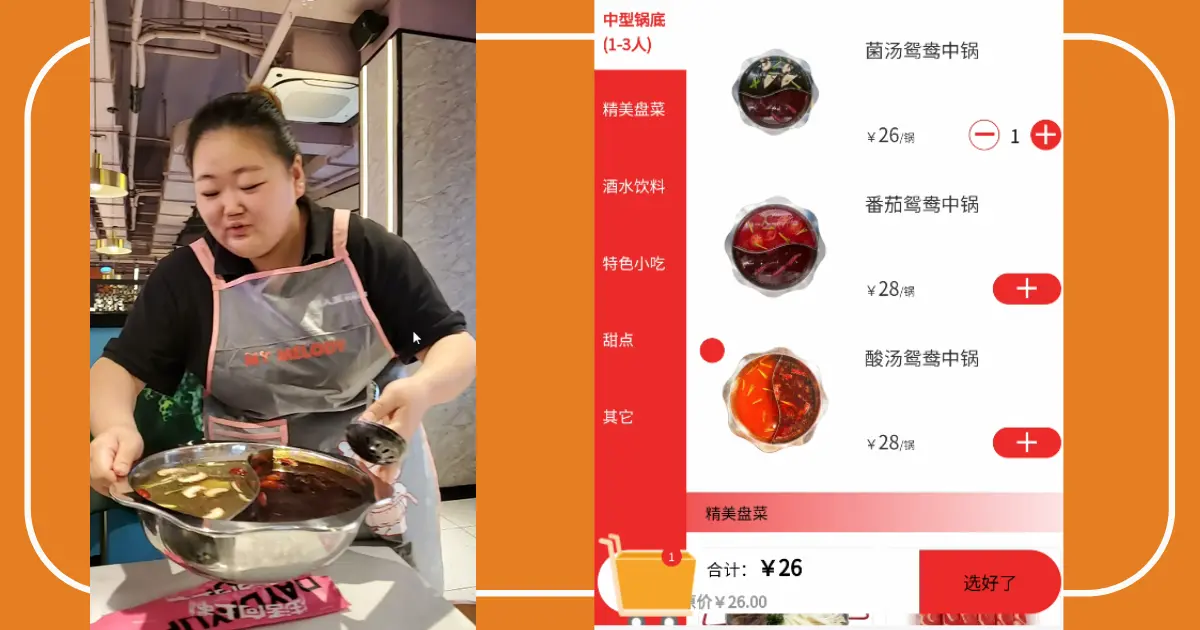
Alright, let's talk about one of the most brilliant things about eating out in China: QR code ordering. No waiting for a server to notice you. No awkward hand-waving. No language barrier anxiety. Just scan, tap, eat.
The first time I walked into a restaurant in China since I left in 2015, I'll admit I was a bit apprehensive. I couldn't read Chinese, couldn't speak it very well, and I was staring at a table with nothing but a QR code sticker. But here's the thing – once you do it once, you'll never want to go back to the old way of ordering.
For this chapter, we're using one of our favorite hotpot chains as an example: The King (you'll see that red cat mascot everywhere – that's your guy). This is a "串串" (chuàn chuàn) style hotpot, which means you're ordering food on individual wooden skewers (even the Chinese characters look like food on a skewer). It's pay-per-stick, and trust me, the math is about to blow your mind.
The Step-by-Step Guide
Step 1 — Scan the QR Code
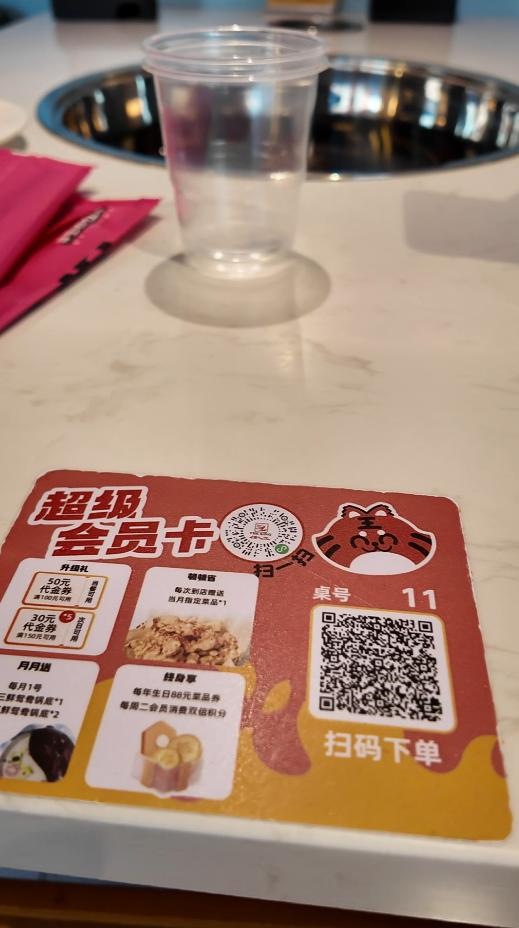
See that QR code on your table? Pull out WeChat and hit the scan function. The restaurant's ordering app will pop right up in WeChat. No download needed. No account creation. Just straight to ordering.
Pro tip: If you're still getting comfortable with the Chinese interface, keep Google Translate open on another device or in split-screen. Most restaurant apps have pretty simple layouts once you know what to look for, but Translate can be your safety net if staff don't speak English (which is common outside major expat areas).
Step 2 — Select Number of People
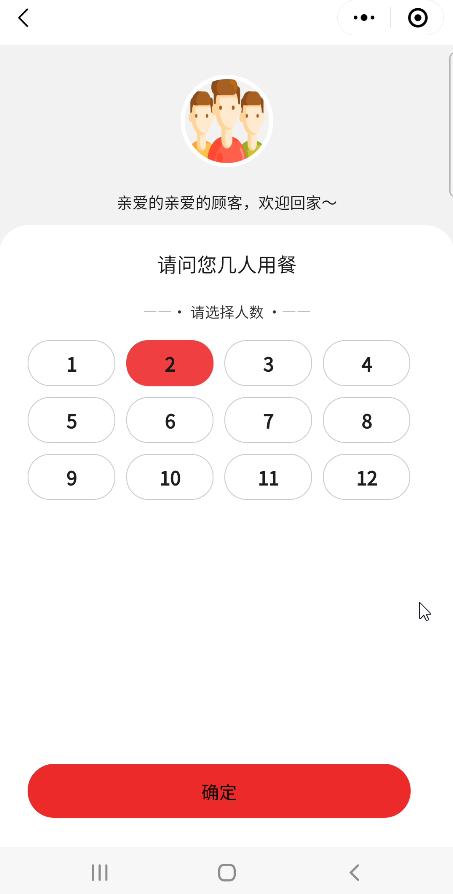
The first screen usually asks how many people are dining. In this case, we're a party of two, so we select "2" (the big red button in the middle makes it obvious).
Step 3 — Choose Your Soup Base
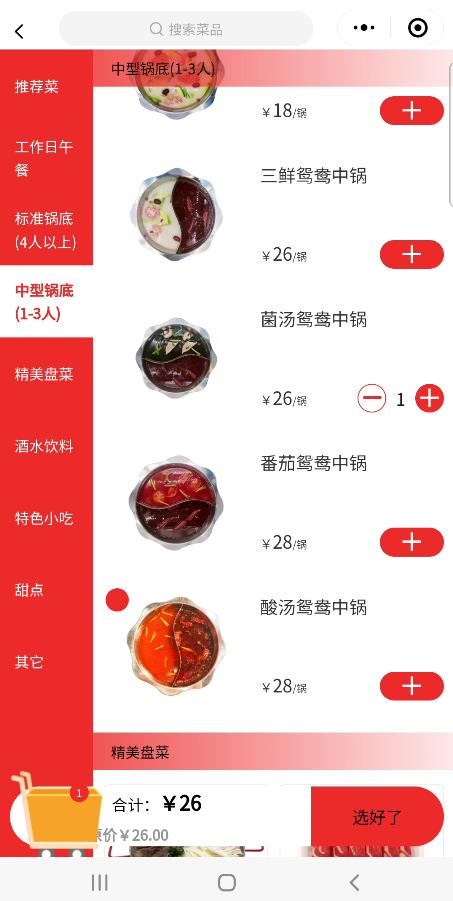
Now here's where hotpot gets fun. You need to pick your soup base – this is what everything cooks in. For The King, we're looking at the "中型锅底 (1-3人)" section, which means "medium pot base for 1-3 people."
You'll see options like: 菌汤鸳鸯中锅 (Mushroom and spicy split pot), 三鲜鸳鸯中锅 (Three-fresh and spicy split pot), 番茄鸳鸯中锅 (Tomato and spicy split pot), 酸汤鸳鸯中锅 (Sour broth and spicy split pot).
Most bases are around ¥26-28 (that's about $3.60-3.90 USD). Yeah, you read that right. The entire base that you'll be cooking food in for the next hour costs less than a Starbucks coffee back home.
Important note: When we first started going to The King, we ordered the large pot thinking two people needed it. Wrong. The ¥26 medium pot is perfect for two people. Save your money – stick with the medium size unless you're in a group of 4+.
Navigation tip: See those two red buttons at the bottom of the screen? The left button (继续加单) means "Continue adding items" – this keeps you in the menu to add more stuff. The right button (现在下单) means "Place order now" – this sends your order to the kitchen. Make sure you know which is which! You don't want to accidentally leave the app in limbo while it thinks you want to add some sides or drinks, when you just want to submit your order and get your dips and skewers while you wait for your broth to come out.
Step 4 — Browse the Menu and Place Your Order
Here's where The King's system is genius. You don't actually order individual food items through the app beyond the soup base. Once your order goes through (usually takes 3-5 minutes), your soup pot arrives at your table. The electric hotplate underneath will be turned on and soon your broth is bubbling away. If you haven't already, you get up and head to the skewer refrigerator.
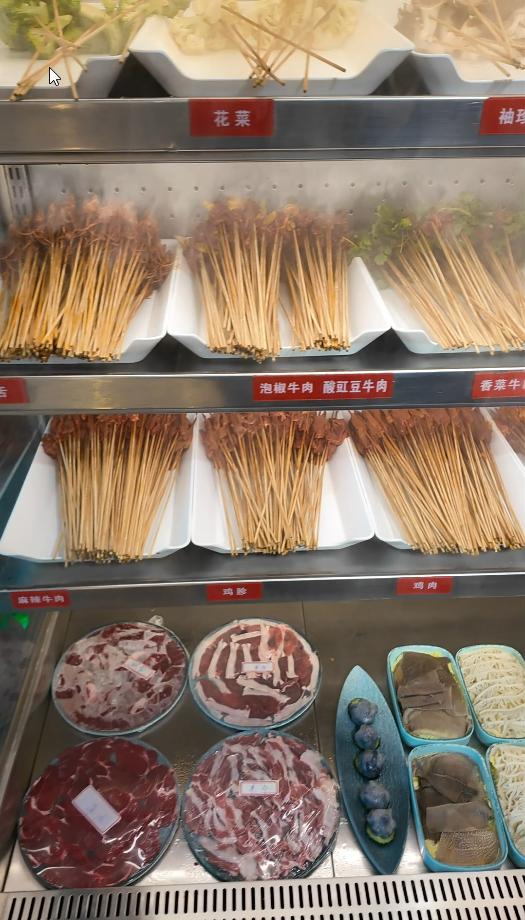
Grab a tray and start loading up. Almost every item – meat, vegetables, seafood, tofu, noodles – is on a bamboo skewer. Each skewer costs ¥0.80 (that's 0.8 yuan, or about $0.11 USD).
Let me repeat that: eleven cents per skewer.
A skewer of beef? $0.11. A skewer of mushrooms? $0.11. A skewer of prawns? $0.11. Everything is the same price. Load up your tray with 20-30 skewers and you're still looking at $2-3 worth of food.
Step 5 — Get Your Dips and Seasonings
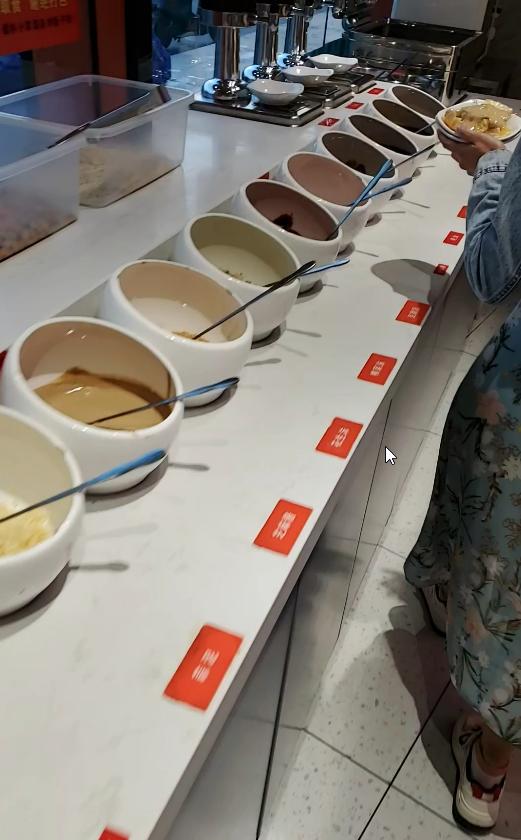
Before you sit down, swing by the sauce station. This is where you build your dipping sauce – and it's unlimited, so go wild. Traditional Chongqing style is sesame oil with minced garlic, but you can mix and match however you like.
Options usually include at least: Sesame oil (麻油), Minced garlic (蒜蓉), Chopped spring onion (葱花), Fresh coriander (香菜), Tahini-style paste, Fermented bean paste, Various oils, Vinegar (醋), Soy sauce (酱油), Chili oil (辣椒油), Powdered spices, Sesame seeds.
Pro tip: Don't overthink it. Grab a bowl and experiment. Your first combination might be weird, but that's half the fun. And since it's unlimited, you can always make another bowl.
Step 6 — Cook and Enjoy
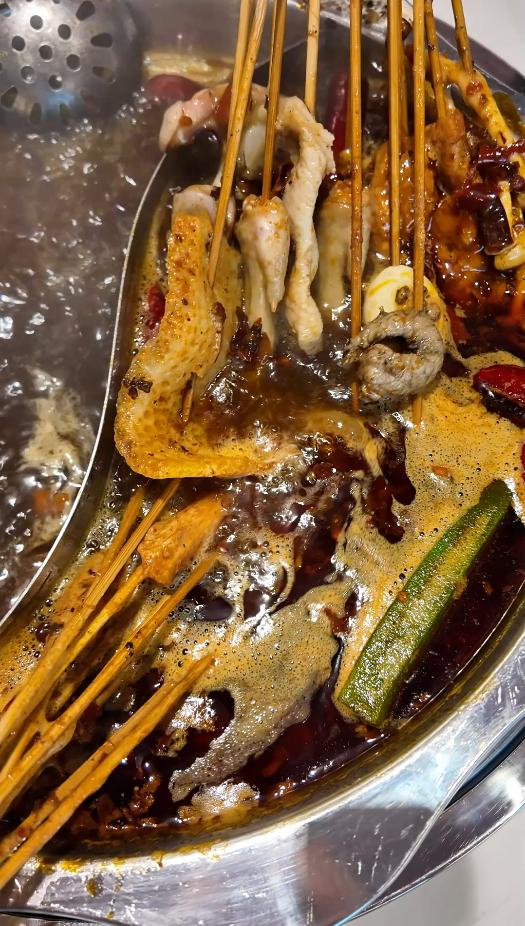
By the time you're back at your table with your tray and sauces, your soup base should be bubbling. Drop your skewers into the pot, wait a few minutes depending on what you're cooking (meat takes 3-5 minutes, vegetables 1-2 minutes), and pull them out.
Dip. Eat. Repeat.
The bamboo sticks that are used, you just pop them in a little cylindrical hole embedded at the side of the table as you go. Don't throw them away – the staff needs them for counting.
Step 7 — Payment & The Robot Waiter
When you're done eating, signal the staff. They'll come over and count your sticks. However many sticks you have × ¥0.80 + your soup base = your total bill.
For us? We usually demolish about 60-80 skewers between the two of us. Let's do the math: 85 skewers × ¥0.80 = ¥64. Soup base = ¥26. Total = ¥90 (about $13 USD).
Thirteen dollars. For two people. To stuff ourselves silly with unlimited dipping sauces and a full hotpot experience that takes about an hour to get through. Oh right, and free water and tea.
Back in Australia or the US? You'd easily drop $50-80 for a comparable hotpot meal. Here? It's less than the cost of a movie ticket.
Payment Methods: WeChat Pay or Alipay is standard. We've never tried using a foreign card at places like this, so make sure you have one of those payment apps set up. Cash usually works too, but digital is king in China.
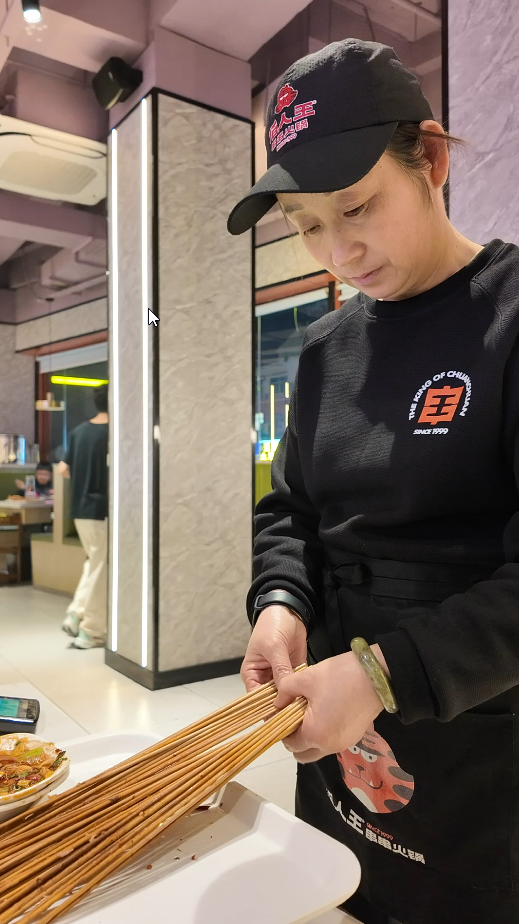
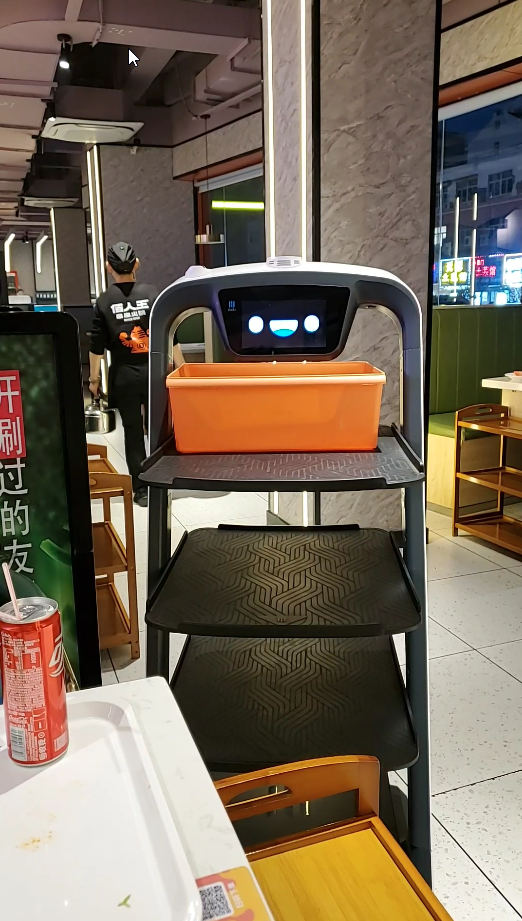
Oh, and if you want something to drink? Just scan the app again and find a coke or whatever you like and submit the order as you did last time. A can of coke runs about ¥6 (about $0.85 USD) and a robot – yep, a robot – will roll out to give it to you. Take it off the tray, tap the button on its face, and it will say 'Thanks mate' in Chinese and roll back to its dock.
Final Thoughts
QR code ordering at restaurants is one of those things that seems intimidating until you do it once. Then you'll wonder why the rest of the world hasn't caught up yet. No waiting for servers. No miscommunication. No surprise charges. Just scan, order, eat, and pay exactly what the bill says.
And at places like The King where you're paying eleven cents per skewer? You'll eat like royalty for the price of a sandwich back home. This is the kind of thing that spoils you for life.
Trust me, after a few months of $13 hotpot dinners, the idea of paying $60-80 for the same experience back home will feel absolutely criminal.
Welcome to eating out in China. Your wallet is about to get very, very happy.
Then again as I write this, I don't actually remember where I put mine. I haven't seen it since 2024!